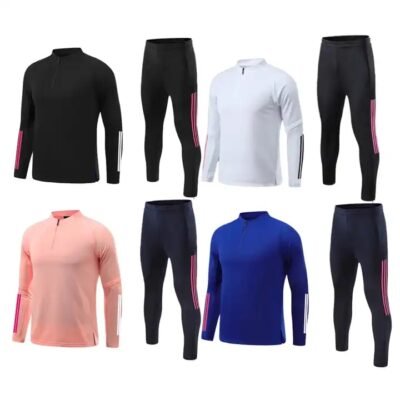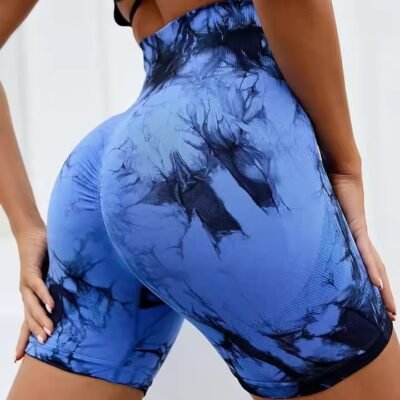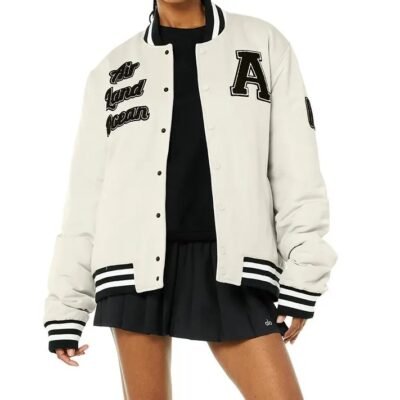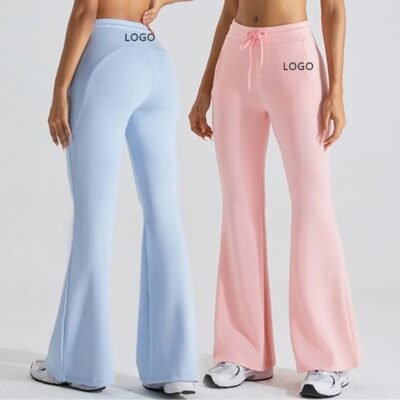
A garment sample approval checklist helps your brand turn sample comments into clear production instructions. Before approving a hoodie, T-shirt, varsity jacket or activewear set, check what the sample represents and which details are still unresolved. An attractive photograph alone cannot establish fit, material feel or production readiness.
Start by identifying the sample stage
Ask whether you are reviewing a development sample, a fit sample or a pre-production sample. Names and procedures vary between suppliers, so agree the purpose in writing. A sample made in substitute fabric can help discuss silhouette while leaving material approval open. A production approval should identify the actual material, trims, artwork and construction that the factory is expected to follow.
Keep the sample style code, size, color and revision date beside the current clothing tech pack. If two documents disagree, resolve the discrepancy before signing off.
1. Check measurements and fit separately
Measure the sample using the same points of measure, unit and method as your specification. Record the actual result beside the target and agreed tolerance. Do not describe an entire sample as the wrong size when only the sleeve length needs adjustment.
Then assess the garment on the intended wearer or fit model. Review movement, balance and proportions. For a hoodie, examine the neckline, hood position and hem; for leggings, review waist placement and movement in the intended activities. A garment can match a measurement chart and still need fit changes.
2. Confirm the material and color reference
Check that the fabric, rib, lining and other components match their agreed references. Discuss hand feel, surface appearance and opacity where relevant. Use controlled, consistent viewing conditions for color reviews and retain an approved physical reference when color accuracy matters.
Record whether the sample uses final materials or substitutes. Confirm composition and any claimed properties through suitable supplier documentation or agreed testing. Fabric weight alone does not establish quality; our fabric GSM guide explains which specifications belong alongside the weight target.
3. Inspect seams, trims and decoration
Review visible stitching, seam alignment, pocket placement, closures and reinforcement against the design brief. Operate zippers or snaps, and check that components are attached as specified. List individual corrections with a marked photograph and a measurable instruction.
For print or embroidery, compare the artwork dimensions, placement and color references. Inspect the decoration on the intended fabric rather than approving a digital mockup alone. Note any puckering, coverage concerns or unwanted stiffness for the supplier to investigate. Approval of one decoration method does not approve a later substitution.
4. Review wash results and the full size range
Where wash performance matters, agree the care procedure, drying method, number of cycles and acceptance criteria before testing. Compare dimensions and appearance using a consistent process. Keep test results with the relevant sample revision.
Review how the approved fit will extend across your size range. Agree which sizes require physical review and which grading rules apply. One approved medium sample does not automatically establish that every other size meets your intended fit.
5. Check labeling and packing instructions
Confirm the artwork and placement of brand, size and care labels. Assign responsibility for checking requirements in the destination market. Review folding, protective packaging, size identification and carton instructions against the order brief. If packing has not been sampled, identify it as an open item rather than assuming it is approved.
Write a precise approval decision
- Identify the exact sample and document revision being approved.
- Separate approved details from corrections requiring another review.
- Describe changes with measurements and annotated photographs.
- Record who approves the revision and when.
- Confirm the agreed next step before bulk production begins.
Use clear decisions such as approved, revise and resubmit, or approved only for the listed purpose. Avoid a casual looks good message when material or fit changes remain outstanding.
Frequently asked questions
Can I approve a sample from photographs?
Photographs can support visual reviews, but they do not replace handling and fitting when those checks are important. Agree the limits of remote approval and request physical samples for the aspects you cannot assess reliably.
Does sample approval remove the need for production inspection?
No. Sample approval establishes a reference. Production checks still need to confirm that the manufactured goods follow the agreed requirements.
Discuss sampling with Pindon Apparel
Explore our customizable hoodie design or yoga set concept, then send your project brief to discuss sampling. Final specifications and schedules require project confirmation.
WhatsApp: +8613192081148 | Benny
Further reading: Techpacker on pre-production processes and sample review.