To compare clothing manufacturer quotes fairly, first make sure every supplier is pricing the same product and order. A lower unit price may reflect a different fabric, fewer decoration steps or a different quantity split. This guide helps clothing brands build a practical comparison sheet before deciding which quotation fits their project.
Send every supplier the same quotation brief
Use one current tech pack with drawings, measurement specifications, material requirements and artwork. State the quantity by style, color and size, along with the destination and desired delivery window. Identify approved specifications separately from options you want the supplier to propose.
If you only have reference images, request a preliminary estimate and ask the supplier to list its assumptions. Do not treat an indicative price as a confirmed production quotation while fabric and construction remain undecided. Our clothing tech pack checklist can help you prepare a consistent brief.
1. Match fabric and construction
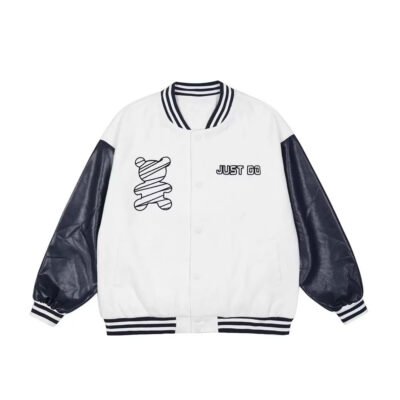
Compare composition, construction, finished weight, finishing and the material reference. Two quotes for a heavyweight hoodie may cover different fabrics and surfaces. For a varsity jacket, separate body, sleeve, lining and rib specifications instead of using a single general material description.
Check whether the quotation includes the requested pockets, closures, hood lining, reinforcement and stitching details. Ask how any proposed alternative would change the product. A substitute can be useful, but it should be visible in the comparison rather than hidden inside the price.
2. Compare the same quantity breakdown
Write the total units and the distribution across colors and sizes. A total order of 500 pieces split across several styles is different from 500 pieces of one style. Ask whether a minimum applies per style, per color or per material, and whether size or color choices affect the quoted amount.
Record which quantity the price actually covers. When comparing options, keep the product specification fixed and request separate quantity scenarios. This makes the reason for each price difference easier to understand.
3. Clarify artwork, labels and packaging
List decoration method, number of placements, artwork size and color requirements. Include whether artwork preparation or decoration trials are charged separately. Do the same for woven labels, printed labels, hangtags, individual packing and carton requirements.
Ask suppliers to identify exclusions clearly. For example, a plain garment quote and a quote including front and back decoration cannot be compared by unit price alone. Confirm that the quoted artwork matches the version you plan to approve.
4. Separate development charges from production charges
Record sampling, pattern development and other setup items as separate lines where applicable. Ask what the sample charge includes, whether revisions involve additional charges, and whether any credit toward a future order is offered. Record only the supplier’s confirmed terms.
Review the sample approval process alongside cost. An estimate that assumes immediate approval may not reflect the time needed to resolve fit or material changes. Use a garment sample approval checklist to identify the checks your project needs.
5. Check delivery scope and timing assumptions
Ask what the delivery quotation covers and which items remain outside it. Record the named delivery location, currency, quotation validity and any separately quoted transport or handling items. If a trade term is used, ask the supplier to specify the version and named place so your logistics adviser can check the implications.
Separate estimated sampling time, material sourcing time and bulk production time. Ask what event starts the production schedule and which approvals or inputs must be complete. Compare written assumptions rather than a headline promise of fast delivery.
Build a comparison sheet you can actually use
- Supplier, quotation date, currency and validity.
- Tech pack revision and approved material reference.
- Style, color and size quantities.
- Unit price and separately identified setup items.
- Decoration, labeling and packing inclusions.
- Sample stages, charges and revision assumptions.
- Delivery scope, timing assumptions and open questions.
Mark missing information as unconfirmed. Do not replace an unanswered question with an estimate that makes one offer appear cheaper. Keep a dated record when a supplier updates its quotation.
Frequently asked questions
Should I always choose the lowest unit price?
Assess the complete offer against your product requirements, sample results and communication needs. A price advantage is useful only when you understand what the quotation includes and whether the proposed product meets your brief.
Can I compare quotations before sampling?
Yes, for an initial shortlist. Review the assumptions and revisit the comparison after materials, construction and the sample are confirmed.
Request a project-specific quotation from Pindon
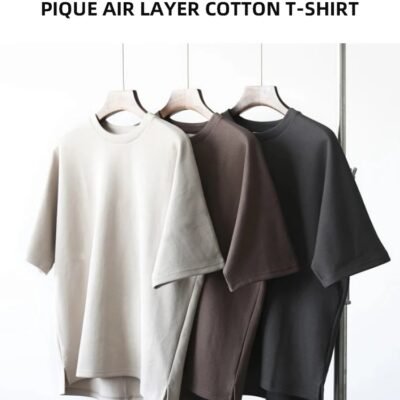
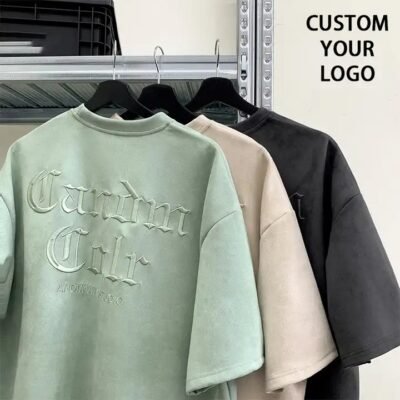
Explore Pindon’s customizable T-shirt concept and varsity jacket concept. Send your brief, artwork and quantity breakdown to discuss a quotation with clear specifications. Materials, minimums, prices and schedules require project confirmation.
WhatsApp: +8613192081148 | Benny