A clothing bill of materials helps your brand explain which components belong in a garment. A hoodie photograph may communicate the look, but it does not specify the rib, zipper, thread or labels. A clear BOM gives the development team a shared component list to review alongside drawings and measurements.
What belongs in a clothing bill of materials?
Include the components that your particular style requires, then connect each one to an identifiable reference. Techpacker’s material-card documentation groups information about fabrics, trims, hardware, labels and packaging within a tech pack. Use that broad structure as a starting point, then adapt your list to the actual design.
A BOM is one section of the development brief. It works with your clothing tech pack, rather than replacing construction drawings, artwork files or the measurement chart.
1. Give each component a clear identity
Assign a component code, description and intended location. Main body fabric, hood lining and cuff rib should be separate entries when they require different materials or approvals. For a jacket, distinguish the body, sleeves, lining and pocket components as applicable.
Use descriptions that your supplier can act on. Instead of writing nice zipper, record the requested zipper type, color reference, length basis and any agreed supplier code. If those details have not been chosen, mark them pending and identify who will propose them.
2. Record confirmed specifications separately from preferences
Create separate columns for requested specification, supplier proposal and approval status. A desired fabric weight is a development target until the actual material is confirmed. A reference photo does not establish fiber composition or a tested performance claim.
Ask the supplier to identify the proposed material using a sample or swatch code. Keep the dated approval record beside that code. If an alternative is proposed, review its impact on the garment and update the list before treating it as an approved substitution.
3. Make color and size variations visible
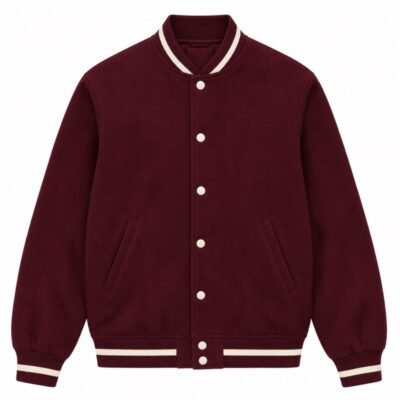
Show which components change between colorways. A cream sleeve, burgundy body and matching rib may need distinct references even when they appear in one design. Use the approved color reference for each component instead of assuming that matching color names mean an identical result.
Clarify which items vary by garment size, such as zipper lengths or size labels. Link these decisions to your size chart. Avoid copying one component quantity or dimension across all sizes without reviewing whether that choice fits the design.
4. Separate garment use from purchasing quantities
If your BOM records consumption, label its unit and basis clearly. Distinguish a confirmed amount used per garment from a preliminary estimate. Ask the supplier to confirm any allowance or purchasing assumption rather than adding an unexplained percentage.
Your order quantity is a separate record. Check the component plan against the style, color and size breakdown in your clothing purchase order. For a matching set, make clear whether the BOM covers the top, the bottom or both.
5. Include branding and packing references
List the applicable brand label, size label, hangtag and packing components. Reference the approved artwork file and revision for each item. Confirm placement through the drawing or packing brief, and ask who is responsible for supplying or arranging each component.
Do not copy care instructions, composition statements or compliance markings from another product. Keep proposed text pending until the relevant product facts and destination requirements have been checked.
6. Close open items before approval
- Does every component have a code and intended location?
- Are approved references distinct from proposed alternatives?
- Are color and size differences recorded?
- Are units and consumption assumptions clear?
- Do artwork revisions match the current brief?
- Has the supplier acknowledged the current BOM version?
Date the list and summarize changes when you revise it. During sample review, record discrepancies against the component code so that a comment about the wrong rib or label identifies the exact item to correct.
Discuss your next apparel development brief
Explore Pindon’s full-zip hoodie concept and tonal varsity jacket concept. These customizable design visualizations are starting points for development, not confirmed stock or material specifications. Send your design, component preferences and quantity breakdown to discuss sampling. Materials, minimums, prices and schedules require project confirmation.
WhatsApp: +8613192081148 | Benny